
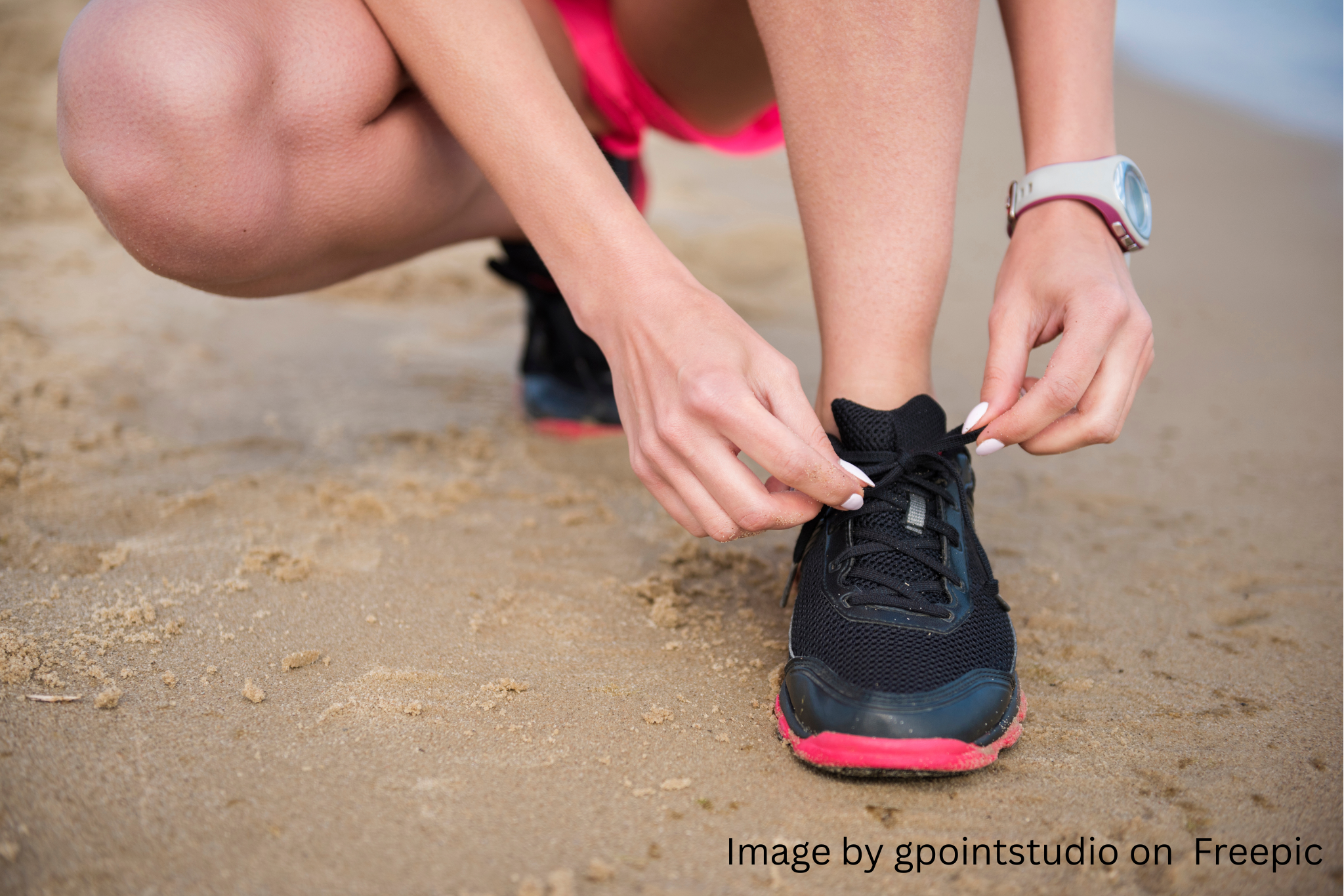
When it comes to foot pain—especially conditions like plantar fasciitis—most people focus on stretches, orthotics, or treatment.
But one of the most important factors is often overlooked:
Your shoes.
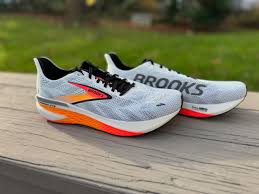
The reality is, not all shoes are created equal—and even within the same brand, the shoes you buy at a department store can be very different from those fitted at a specialty running store.
In this post, Dr. Sturges breaks down how footwear impacts your foot health and how to choose the right shoe for your body.
Why Footwear Matters More Than You Think
Every step you take sends force through your feet, ankles, knees, and hips.

Your shoes either:
- Help distribute and absorb that force
- Or increase stress on tissues like the plantar fascia
Over time, the wrong shoe can contribute to:
- Heel pain
- Plantar fasciitis
- Achilles tightness
- Knee discomfort
The right shoe, on the other hand, can reduce strain and support better movement.
The 4 Main Types of Shoes
Understanding these categories is the first step to choosing the right footwear.
1. Neutral Shoes
Best for: People with normal arches and no major foot issues
Features:
- Flexible midsole
- Even cushioning
- No added support structures
These are the most common shoes and work well for people with efficient, natural movement.
2. Cushion Shoes
Best for: High arches or “supinated” feet
Features:
- Thick, soft cushioning
- High stack height (more foam underfoot)
- Shock-absorbing materials
If your foot doesn’t absorb shock well, these shoes help take pressure off your joints and plantar fascia.
3. Stability Shoes
Best for: Mild to moderate overpronation
Features:
- Firmer support on the inside of the shoe
- Reinforced arch area
- Slightly more structured midsole
These help control excessive inward foot motion (pronation) and reduce strain on the plantar fascia.
4. Motion Control Shoes
Best for: Flat feet or significant overpronation
Features:
- Very firm structure
- Strong heel support
- Maximum arch control
These don’t completely stop motion—but they slow down the rate of pronation, which is key in preventing injury.
Additional Important Features
Beyond shoe type, there are a few important design features that can dramatically affect your foot health.
Heel-to-Toe Drop (Shoe Pitch)
This is the height difference between the heel and the forefoot.
- Higher drop shoes:
- Reduce strain on the plantar fascia and calf
- Can increase stress at the knee
- Lower or zero-drop shoes:
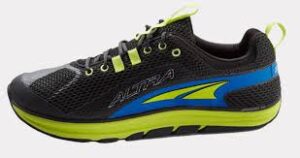 Require more ankle and big toe mobility
- Promote more natural movement
Important:
Switching too quickly to a low-drop shoe can lead to injury if your mobility isn’t ready for it.
Midsole Stiffness (Energy Return)
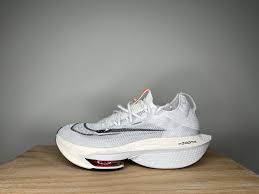 Some modern shoes use stiffer materials—or even carbon fiber plates—to act like a spring.
What this does:
- Improves efficiency when walking or running
- Reduces load on the foot
- Helps you move through your stride more easily
This can be especially helpful for reducing stress on the plantar fascia.
Rocker Sole Design
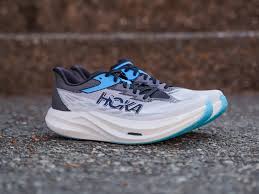 A rocker sole has a curved bottom that helps “roll” you forward as you walk.
Benefits:
- Reduces the need for ankle and big toe motion
- Decreases strain on the plantar fascia
- Makes walking smoother and less painful
Great for people with:
- Limited mobility
- Active foot pain
- Stiff joints
The Most Important Takeaways
There is no such thing as the “best shoe.”
There is only the best shoe for your foot and your movement.
What works for one person can actually cause pain for another.
How We Approach Footwear
At Sturges Chiropractic & Sports Medicine, we don’t just recommend brands—we look at:
- Your arch type
- Your walking mechanics
- Your mobility (ankle and big toe)
- Your injury history
From there, we help guide you toward footwear that either:
- Supports what your body needs
- Or allows natural movement when appropriate
If you’re dealing with foot pain—or want to prevent it—your shoes are one of the most powerful tools you have. If you’re unsure what’s best for you, we’re here to help.