
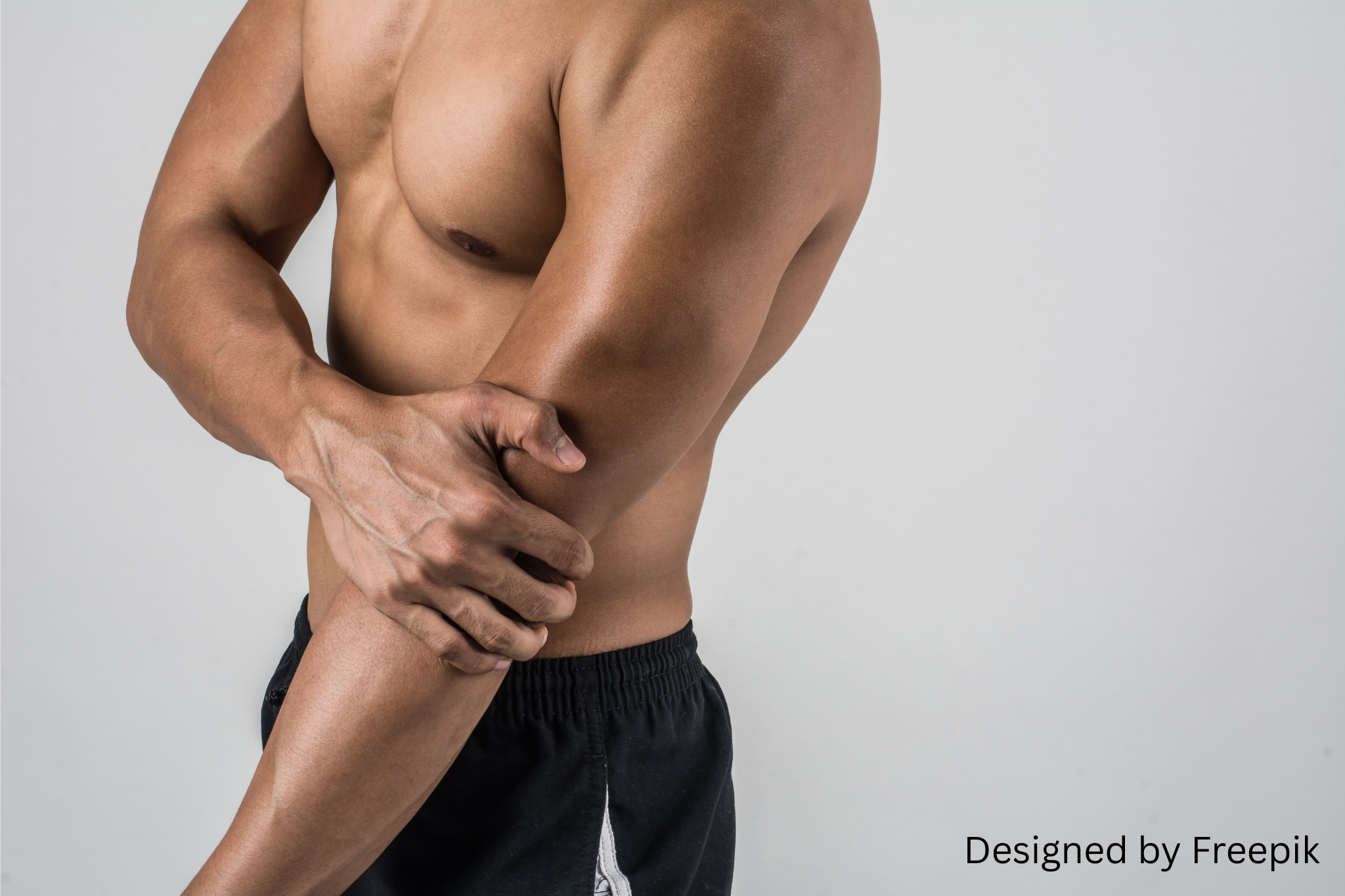
Golfer’s elbow—medically known as Medial Epicondylitis—is a common overuse injury affecting the inner part of the elbow. Despite its name, you don’t have to be a golfer to develop it. Many people who lift weights, perform repetitive gripping tasks, or spend long hours on a computer can develop this painful condition.
At Sturges Chiropractic & Sports Medicine, golfer’s elbow is treated by addressing joint mechanics, soft tissue health, and movement patterns—not just the symptoms.
What Is Golfer’s Elbow?
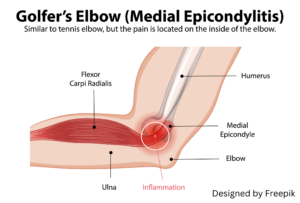 Golfer’s elbow occurs when the tendons that attach the forearm muscles to the inside of the elbow become irritated or overloaded. These muscles control wrist flexion and gripping.
When these tissues experience repetitive strain, tiny micro-tears can form, leading to:
-
Inner elbow pain
-
Tenderness along the medial elbow
-
Weak grip strength
-
Pain with gripping, lifting, or wrist flexion
-
Stiffness in the forearm
While golfers commonly develop this injury from repetitive swings, it also appears in:
-
Weightlifters
-
Racquet sport athletes
-
Manual laborers
-
Office workers using a mouse or keyboard for long periods
Why Golfer’s Elbow Develops
Most cases occur due to repetitive stress combined with poor movement mechanics. Contributing factors may include:
-
Restricted wrist or elbow joint mobility
-
Shoulder instability or weakness
-
Overuse of the forearm flexor muscles
-
Poor grip mechanics during exercise
-
Sudden increases in training volume
In many cases, the elbow is not the true root cause. Dysfunction in the wrist, shoulder, or even the neck can increase strain on the elbow tendons.
How Chiropractic Care Helps
At Sturges Chiropractic & Sports Medicine, we focus on restoring proper movement and tissue health.
Treatment may include:
Joint Adjustments
Chiropractic adjustments may be applied to the:
-
Elbow
-
Wrist
-
Shoulder
-
Cervical spine
Improving joint mobility reduces excessive stress on the elbow tendons.
Soft Tissue Therapy
Instrument-assisted soft tissue techniques such as Graston Technique® can help:
-
Stimulate tendon healing
-
Improve circulation
-
Reduce scar tissue
-
Decrease muscle tightness in the forearm
Corrective Exercises
Strengthening the right muscles is key to long-term recovery.
Common exercises include:
-
Eccentric wrist flexor strengthening
-
Forearm stretching
-
Shoulder stability exercises
-
Grip strength training
These help the tendon rebuild capacity and tolerate load again.
Simple Exercise for Golfer’s Elbow
Preventing Golfer’s Elbow
The best treatment is prevention. Strategies include:
-
Gradually increasing workout intensity
-
Maintaining shoulder and wrist mobility
-
Strengthening the forearm muscles
-
Improving grip and swing mechanics
-
Taking regular breaks during repetitive tasks
For golfers and athletes, a movement assessment can identify biomechanical issues before pain develops.
When to Seek Care
If elbow pain lasts longer than 1–2 weeks, worsens with activity, or begins limiting grip strength, it is best to seek evaluation.
Early treatment can prevent the condition from becoming chronic and help you return to activity faster.
✅ The Bottom Line:
Golfer’s elbow is not just an elbow problem—it’s often a movement problem. At Sturges Chiropractic and Sports Medicine, we provide treatment that combines joint adjustments, soft tissue therapy, and corrective exercise to help restore proper function and keep you active. Give our office a call today!