
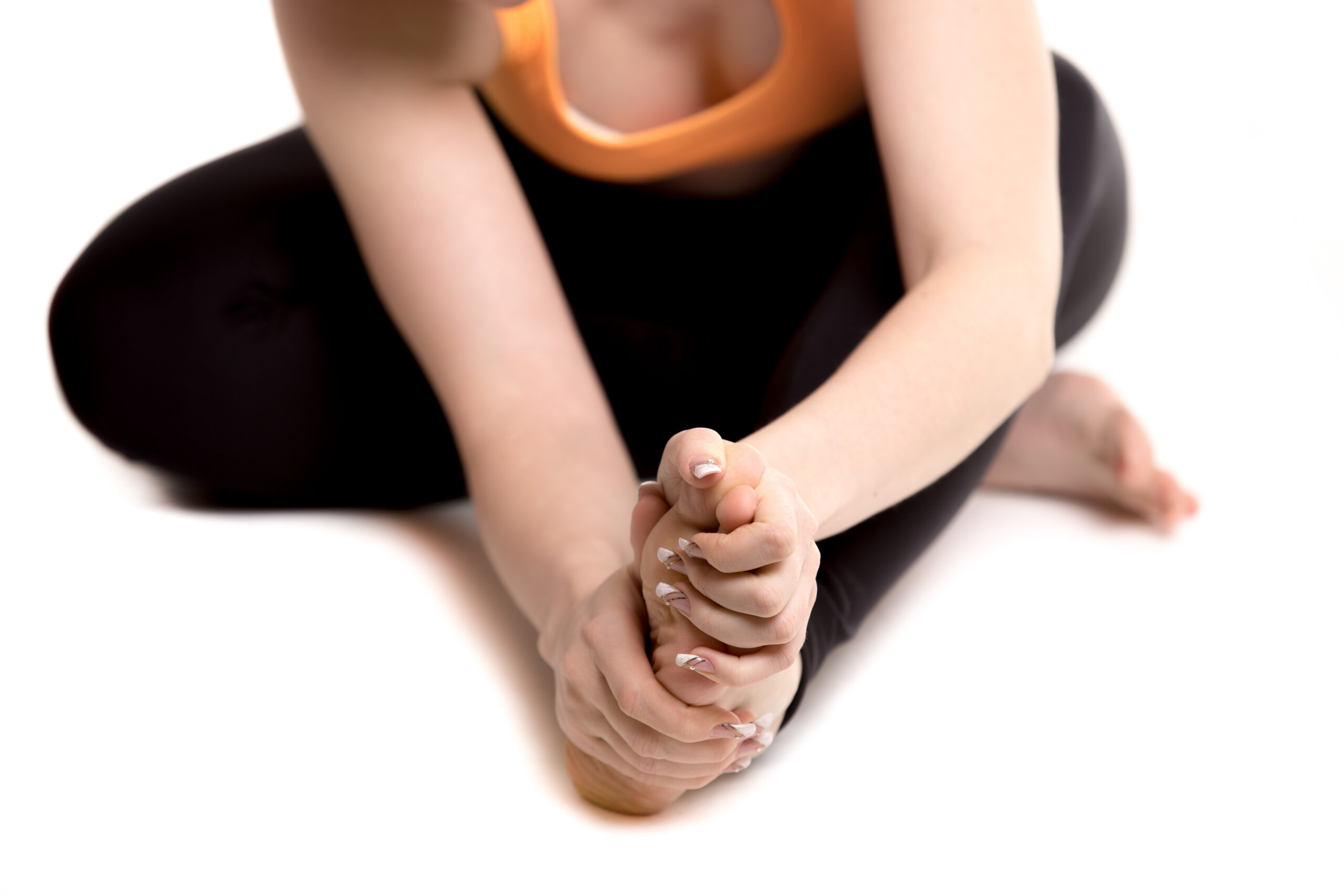
Plantar fasciitis is one of the most common causes of heel pain, affecting athletes, active individuals, and even those who spend long hours on their feet. It occurs when the plantar fascia—a thick band of tissue that supports the arch of your foot—becomes irritated or inflamed. The pain is often sharp and most noticeable with the first steps in the morning or after long periods of sitting. This is one of the most common conditions we treat here at Sturges Chiropractic and Sports Medicine, especially in the warmer months when people tend to wear less supportive footwear or go barefoot.
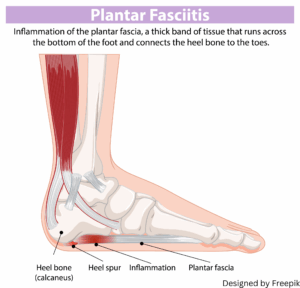 What Causes Plantar Fasciitis?
Several factors can contribute to the development of plantar fasciitis, including:
-
Overuse or repetitive strain from running, jumping, or long hours of standing.
-
Poor foot biomechanics, such as flat feet or high arches.
-
Improper footwear that lacks arch support or cushioning.
-
Tight calf muscles or Achilles tendon, which put added stress on the heel.
Common Symptoms
-
Heel pain first thing in the morning. This pain is often described as walking on shards of glass!
-
Discomfort after exercise or prolonged standing.
-
Tenderness at the bottom of the heel or arch. Similar to pain experienced with a bruised heel.
How We Can Help
Dr. Sturges takes a whole-body approach to treating plantar fasciitis, focusing not only on the foot but also on the spine, hips, and legs that influence gait and posture. Treatment may include:
-
Foot and ankle adjustments to restore proper alignment and mobility.
-
Spinal adjustments to improve posture and reduce abnormal stresses on the lower body.
-
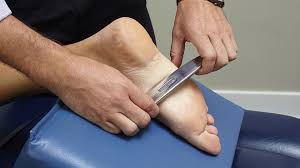
Graston Technique® to release tension in the plantar fascia, calf muscles, and Achilles tendon. Studies show success rates of 75%-90% when Graston is used to treat plantar fasciitis.
-
Rehabilitation exercises to strengthen the foot and improve flexibility.
-
Lifestyle guidance on footwear, stretching routines, and activity modification.
At-Home Care Tips
Alongside chiropractic treatment, patients can benefit from:
-
Stretching the calves and plantar fascia daily.
-
Icing the heel to reduce inflammation. A frozen water bottle works well.
-
Wearing supportive shoes or orthotics to relieve stress on the fascia.
-
Gradually increasing activity instead of sudden jumps in exercise intensity.
The Bottom Line
Plantar fasciitis can be frustrating and even debilitating if left untreated. At Sturges Chiropractic and Sports Medicine, we offer a natural, non-invasive approach to healing by addressing the root causes of pain, improving movement, and supporting the body’s natural ability to recover. With the right care plan, most patients experience significant relief and are able to return to their daily activities pain-free.